

Anthony Rumore, Esq.
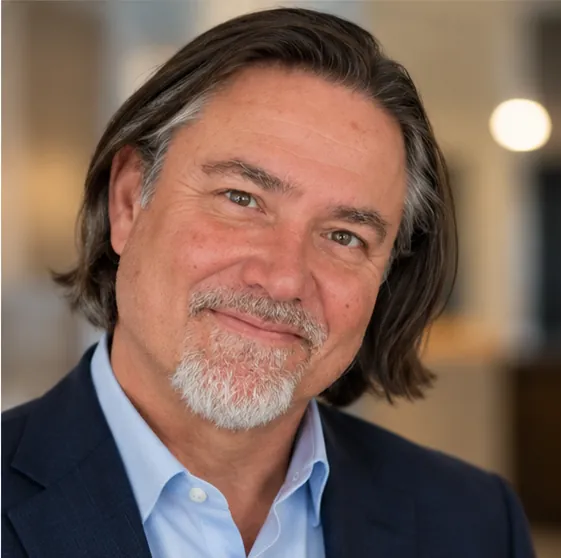
Attorney Profile
Merchant Cash Advance & Commercial Business Attorney
Anthony Rumore has represented businesses and individuals since 1998. His practice brings together merchant cash advance representation, commercial transactions, business disputes, real estate, and debtor-creditor matters.
Mr. Rumore evaluates MCA problems in the context of the entire business, including its contracts, operating cash flow, assets, existing obligations, personal guarantees, and litigation exposure.
Merchant Cash Advance Representation
Mr. Rumore represents businesses in MCA matters involving:
- Merchant cash advance agreements and payment disputes
- Settlement negotiations and restructuring
- Multiple or stacked merchant cash advances
- MCA lawsuits and defense
- Personal guarantees and MCA UCC-related disputes
- Judgments, bank restraints, and enforcement activity
He works with clients to understand the agreements, creditor activity, financial circumstances, and litigation posture before evaluating potential responses. Depending on the facts, that may include negotiation, settlement, litigation, restructuring, or another available legal remedy.
Commercial & Business Experience
During his career, Mr. Rumore has served as counsel to businesses in financial services, transportation, medical services, aviation, technology, mortgage lending, title insurance, petroleum, restaurants, retail, hospitality, and other industries.
He has structured and advised clients on hundreds of commercial transactions and has guided clients through business acquisitions, sales, and transfers of business assets. This experience helps him recognize how a financial dispute can affect ownership, operations, contracts, and the long-term stability of a company.
Business-Focused Counsel
Mr. Rumore approaches each matter with attention to both the legal dispute and the client’s practical business objectives. He helps clients understand the problem, the risks associated with different courses of action, and the options that may be available under the governing agreements and applicable law.
Education
- South Texas College of Law
Juris Doctor, with Distinction, 1997
Bar Admissions
- The Florida Bar — Member since 1998
- U.S. District Court for the Southern District of Florida
About Anthony
Outside his legal practice, Anthony is a husband and father. He has built his career around practical problem-solving and committed client representation.
Discuss Your MCA Matter
If your business is dealing with MCA payments, a lawsuit, an MCA UCC filing, a personal guarantee, or related enforcement activity, Business Debt Law Group can review the circumstances and discuss potential legal options.
Every legal matter is different. Available defenses, settlement opportunities, and other outcomes depend on the facts, agreements, applicable law, jurisdiction, and procedural history. No result can be guaranteed. Prior results do not guarantee a similar outcome.